Local government reorganisation: building stronger places through local infrastructure
August 7, 2026
Local government reorganisation (LGR) and devolution represent one of the biggest changes to local public services in a generation. Alongside neighbourhood health, Strategic Authorities and Integrated Care System reform, they are reshaping how decisions are made, how services are delivered and how communities influence the places where they live.
These changes present a real opportunity. Done well, they can create more connected public services, strengthen local decision-making and enable communities to play a greater role in shaping the future of their places. But that will only happen if the voluntary, community and social enterprise (VCSE) sector is recognised as a genuine strategic partner from the outset.
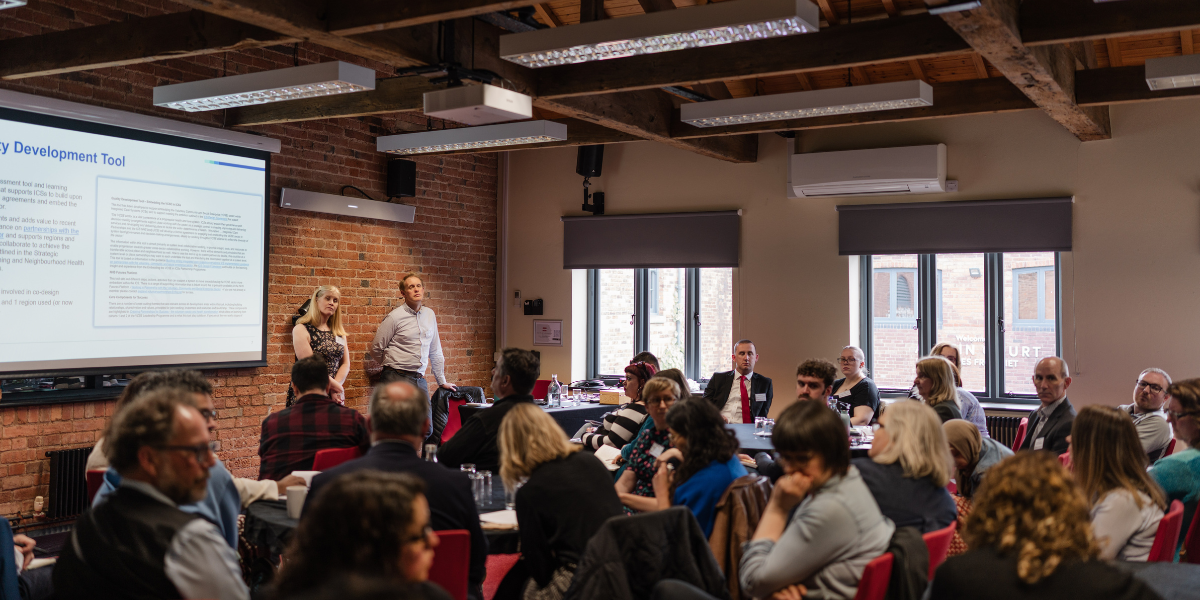
Through a programme of work delivered by NAVCA and ACRE, funded by the Ministry of Housing, Communities and Local Government and Lloyds Bank Foundation, we worked with infrastructure organisations across six areas experiencing local government change. Together, we explored how local infrastructure can continue to strengthen the VCSE sector while adapting to new statutory structures.
One message came through consistently: local infrastructure has never been more important.
Local infrastructure organisations (LIOs) are civic leaders. They connect community organisations, public services and local decision-makers. They build partnerships, strengthen collaboration, amplify community voice and help ensure that local knowledge shapes public policy. As new Strategic Authorities emerge and local government footprints change, these trusted relationships become even more valuable.
We already see this in places where NAVCA members are working closely with combined authorities, health partners and local government. When local infrastructure is involved early, community needs are better understood, voluntary organisations have greater influence, and public services are better connected to the people they serve.
At the same time, the environment in which infrastructure operates is becoming more complex. Organisations are navigating changing geographies, evolving relationships with commissioners, increasing financial pressures and greater expectations to work across larger areas. These changes are happening alongside wider reforms to neighbourhood health and devolution, making it essential that infrastructure continues to evolve.
The workshops highlighted a clear appetite across the network to shape that change proactively.
Participants identified three priorities for the future.
First, the VCSE sector needs a stronger, shared voice within emerging local systems. Infrastructure organisations have a key role in demonstrating the value that communities bring to better policy, more effective services and healthier places.
Second, relationships with new Strategic Authorities and public bodies need to be built early. Communities cannot simply be consulted once decisions have been made; they need to be partners in shaping priorities from the beginning.
Finally, collaboration across local infrastructure will become increasingly important. As local authority boundaries change, organisations will need to work together more closely, develop new partnership models and combine local knowledge with strategic influence. The strongest approaches will be those built on trust, shared leadership and a common commitment to strengthening communities.
The report also highlights the role of government, funders and statutory partners. If devolution is to fulfil its promise, investment is needed not only in services, but in the local infrastructure that enables collaboration, community participation and long-term system change.
The future of local infrastructure is not simply about organisational change. It is about ensuring every place has the trusted organisations that can connect communities, strengthen the VCSE sector and help shape better public services.
As devolution gathers pace, local infrastructure will be central to making sure communities are not only heard, but are active partners in building healthier, fairer and more connected places.
Download the key trends report and explore the full resource collection here.