The role of the Vision for Volunteering
June 26, 2026
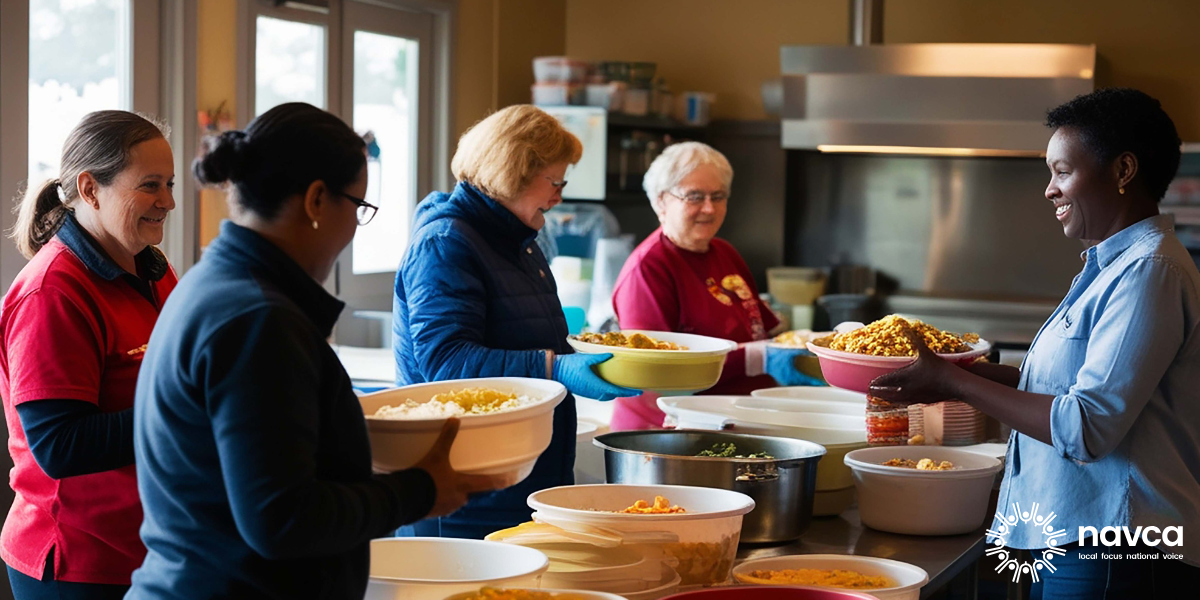
Volunteering doesn’t happen by accident. Behind every positive volunteering experience is a system that has been shaped, supported and sustained over time. Local infrastructure organisations (LIOs) and volunteer centres (VCs) play a vital role in making this happen — investing in understanding who wants to volunteer, what motivates them, and the barriers that prevent some people from taking part. Just as importantly, they work to recognise and celebrate the contribution volunteers make to their communities.
LIOs and VCs don’t just work with volunteers. They bring together the perspectives of volunteer-involving organisations, community groups and statutory partners to build a shared understanding of local priorities, pressures and opportunities. A recent NAVCA member survey highlighted how consistently LIOs and VCs convene these conversations — giving them a unique, system-wide view of how volunteering is changing in different places.
The Vision for Volunteering provides a shared framework for responding to this change. It sets out five themes for how volunteering can evolve to better meet the needs of people and communities:
- Awareness and Appreciation – recognising the value of volunteers and volunteering
- Power – enabling volunteers to influence and create change
- Equity and Inclusion – ensuring volunteering is open, accessible and representative
- Collaboration – working together across organisations and sectors
- Experimentation – testing new approaches and learning what works
Across the country, LIOs have used the Vision as a starting point for developing local volunteering strategies. By interpreting the themes for different audiences — from volunteers and community groups to volunteer managers and commissioners — they help turn a national vision into practical, place-based action. This shared language supports better conversations and clearer decisions about how local volunteering systems can improve.
The Vision also offers a way to reflect honestly on where local systems are working well, and where there is more to do. In their convening role, LIOs are bringing partners together to embed the five themes into long-term change, rather than short-term initiatives.
These insights have shaped Volunteering Doesn’t Happen by Accident, NAVCA’s guide to strengthening local volunteering systems. Grounded in current practice, the guide brings together learning from across our network, alongside case studies, data and practical resources.
Alongside the guide, we’ve developed a toolkit to support NAVCA members and partners to work together to assess the maturity of their local volunteering system and identify priorities for future action. We also have lots of resources around the Vision for Volunteering available on the NAVCA member hub.
We encourage local partnerships to use the toolkit as a shared starting point — helping align ambitions, strengthen collaboration and support more inclusive, resilient volunteering in every place.